
Expert conversations are below. Weaver voices · Archive
Homeमुखपृष्ठVoicesआवाज़ें
In conversationआवाज़ें
Voicesआवाज़ें
Two people who have spent their working lives with India's weavers and craftspeople answer the same kind of question: what the Vishwakarma exhibitions set out to do, what they changed, and what the handloom sector needs now. दो ऐसे लोग जिन्होंने अपना कामकाजी जीवन भारत के बुनकरों और शिल्पकारों के साथ बिताया है, एक ही तरह के प्रश्नों का उत्तर देते हैं: विश्वकर्मा प्रदर्शनियाँ क्या करना चाहती थीं, उन्होंने क्या बदला, और आज हथकरघा क्षेत्र को किस चीज़ की ज़रूरत है।
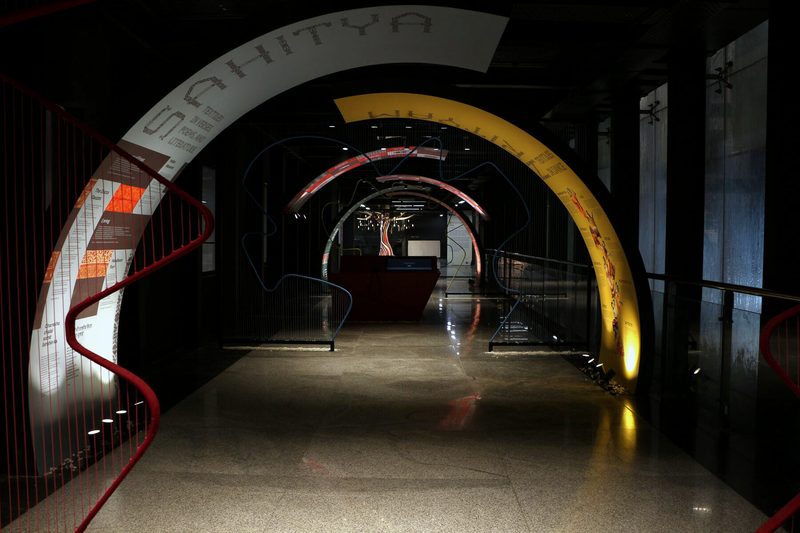
Fourteen answers, each two to five minutes, watchable in full. They were filmed for the Vishwakarma Gallery and play at the gallery as they do here. चौदह उत्तर, हर एक दो से पाँच मिनट का, पूरा देखा जा सकता है। ये विश्वकर्मा गैलरी के लिए फ़िल्माए गए थे और गैलरी में भी वैसे ही चलते हैं जैसे यहाँ।
These conversations were recorded in English. The questions below are given in both languages, but the recordings themselves are not dubbed or subtitled. ये बातचीत अंग्रेज़ी में रिकॉर्ड की गई थीं। नीचे दिए गए प्रश्न दोनों भाषाओं में हैं, पर रिकॉर्डिंग में न डबिंग है और न उपशीर्षक।
Craft organiser and writerशिल्प-संयोजक और लेखिका
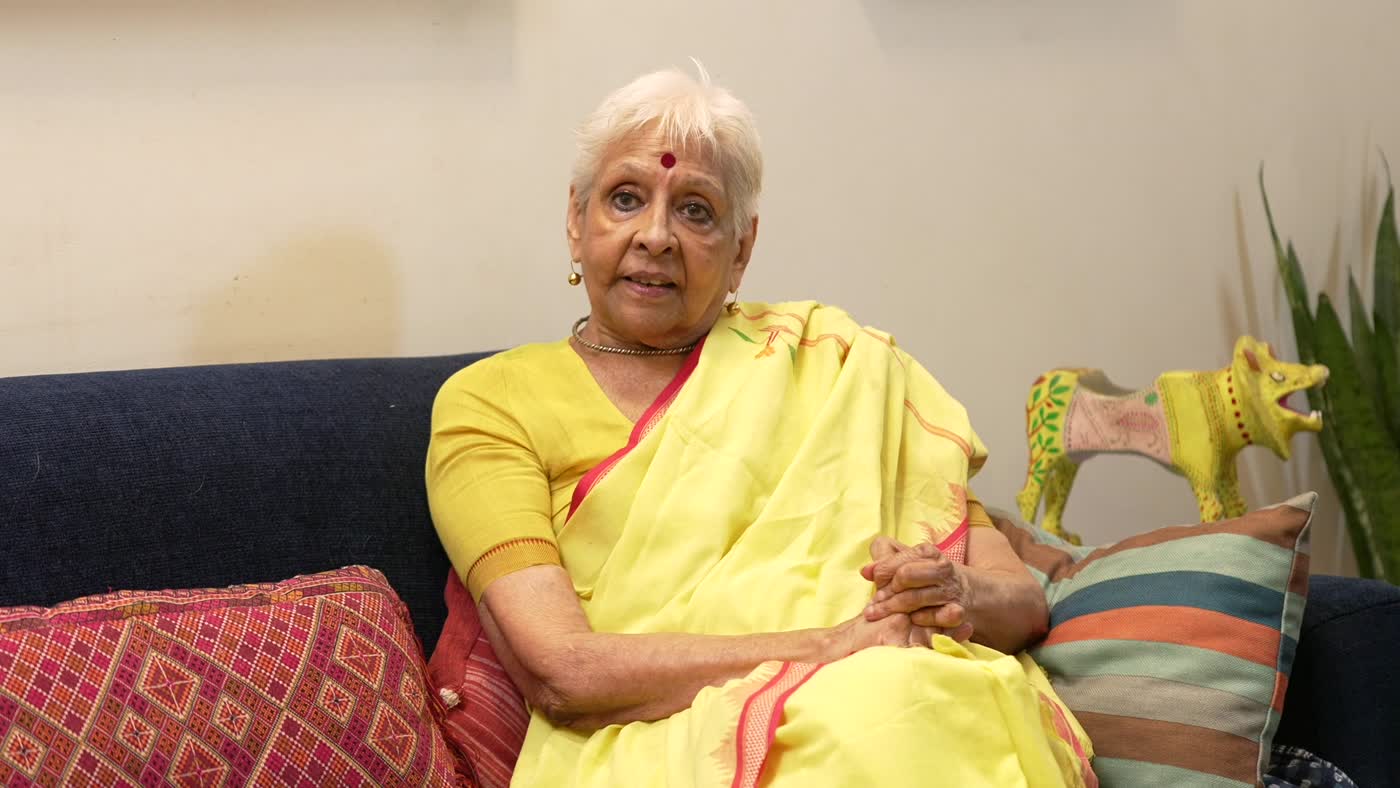
Jaya Jaitlyजया जेटली
Jaya Jaitly founded the Dastkari Haat Samiti in 1986 and helped establish Dilli Haat, which opened in 1994. She created the Crafts Map of India, a state-by-state survey of the country's craft. Her own work with craftspeople began in Kashmir in the mid 1960s. जया जेटली ने 1986 में दस्तकारी हाट समिति की स्थापना की और दिल्ली हाट को खड़ा करने में सहयोग दिया, जो 1994 में समय। उन्होंने भारत का शिल्प मानचित्र बनाया, जो देश के शिल्प का राज्यवार सर्वेक्षण है। शिल्पकारों के साथ उनका अपना काम 1960 के दशक के मध्य में कश्मीर से शुरू हुआ।
Eight answers · 24 minutes in all आठ उत्तर · कुल 24 मिनट
-
01
What first drew you to craftशिल्प की ओर पहला आकर्षण
You have spent decades working alongside India's craftspeople and handloom communities. What first drew you to the world of craft, and what has sustained your commitment to it over the years? आपने दशकों भारत के शिल्पकारों और हथकरघा समुदायों के साथ काम किया है। शिल्प की दुनिया की ओर आपको सबसे पहले किस बात ने खींचा, और इन वर्षों में आपकी निष्ठा को किस चीज़ ने बनाए रखा?
-
02
That moment, and why it matteredवह क्षण, और उसका महत्व
For many visitors, this gallery will be their first introduction to the Vishwakarma exhibitions. Could you take us back to that moment? What was happening in India's textile and design landscape, and why did the exhibitions feel so significant? कई दर्शकों के लिए यह गैलरी विश्वकर्मा प्रदर्शनियों से उनका पहला परिचय होगी। क्या आप हमें उस क्षण में वापस ले चल सकती हैं? उस समय भारत के वस्त्र और डिज़ाइन परिदृश्य में क्या हो रहा था, और वे प्रदर्शनियाँ इतनी महत्वपूर्ण क्यों लगीं?
-
03
The name Vishwakarmaविश्वकर्मा नाम
The name Vishwakarma invokes the divine architect. What do you think that title represented, and how did it reflect the philosophy of the exhibition series? विश्वकर्मा नाम दिव्य शिल्पी का स्मरण कराता है। आपके विचार में यह नाम किसका प्रतीक था, और इसने प्रदर्शनी शृंखला के दर्शन को कैसे प्रकट किया?
-
04
The memories that stand outसबसे स्पष्ट स्मृतियाँ
When you think back to the Vishwakarma exhibitions, what memories stand out most vividly? विश्वकर्मा प्रदर्शनियों को याद करते हुए कौन सी स्मृतियाँ सबसे स्पष्ट रूप से उभरती हैं?
-
05
The influence on textile and fashionवस्त्र और फ़ैशन पर प्रभाव
What influence did the Vishwakarma exhibitions have on India's textile and fashion landscape, both at the time and in the years that followed? विश्वकर्मा प्रदर्शनियों का भारत के वस्त्र और फ़ैशन परिदृश्य पर उस समय और उसके बाद के वर्षों में क्या प्रभाव पड़ा?
-
06
The Crafts Map of Indiaभारत का शिल्प मानचित्र
The Crafts Map of India designed by you visualises the remarkable diversity of India's craft. It resonates with the central idea behind the Vishwakarma exhibition by Shri Martand Singh, to document and present India's artisanal landscape to a wider audience. Do you think mapping India's crafts is also a way of telling the story of India itself? आपके द्वारा बनाया गया भारत का शिल्प मानचित्र देश के शिल्प की उल्लेखनीय विविधता को दिखाता है। यह श्री मार्तंड सिंह की विश्वकर्मा प्रदर्शनी के मूल विचार से मेल खाता है, कि भारत के शिल्प परिदृश्य का प्रलेखन हो और उसे व्यापक दर्शकों तक पहुँचाया जाए। क्या आपको लगता है कि भारत के शिल्प का मानचित्रण स्वयं भारत की कहानी कहने का भी एक तरीका है?
-
07
If it were conceived todayयदि इसकी परिकल्पना आज होती
If a project like Vishwakarma were to be conceived today, what aspects of its vision would remain as relevant as ever, and what would need to evolve to respond to the realities of the handloom sector today? यदि विश्वकर्मा जैसी परियोजना आज शुरू की जाए, तो उसकी दृष्टि के कौन से पहलू आज भी उतने ही प्रासंगिक रहेंगे, और आज के हथकरघा क्षेत्र की वास्तविकताओं के अनुरूप किन्हें बदलना होगा?
-
08
What gives the greatest optimismसबसे बड़ी आशा किस बात से
Having spent decades working alongside weaving communities across India, what gives you the greatest optimism about the future of India's handloom traditions? भारत भर के बुनकर समुदायों के साथ दशकों काम करने के बाद, भारत की हथकरघा परंपराओं के भविष्य को लेकर आपको सबसे अधिक सबसे बड़ी आशा किस बात से?
Craft historian and editorशिल्प इतिहासकार और संपादक
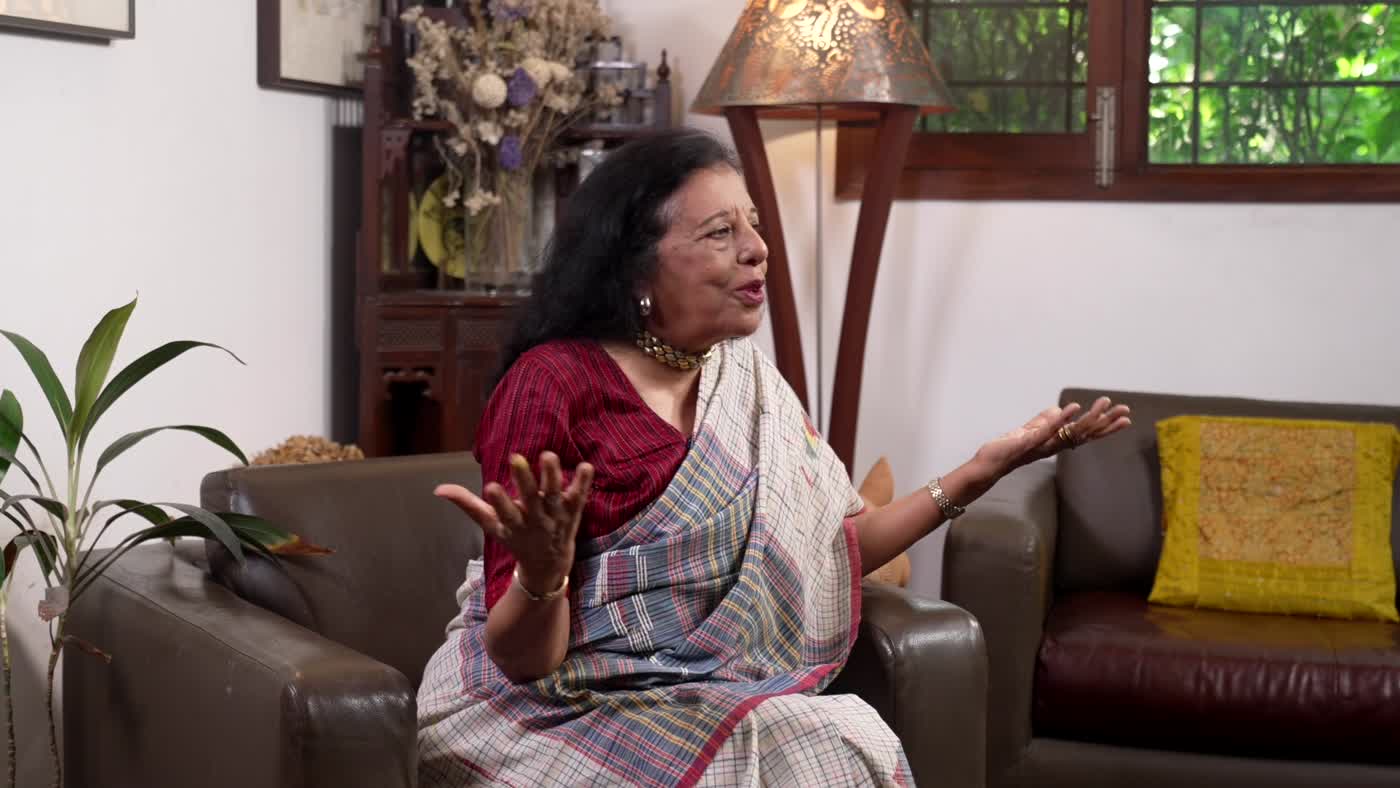
Dr Ritu Sethiडॉ. रितु सेठी
Dr Ritu Sethi founded the Craft Revival Trust in 1999. She edits Global InCH, a journal on intangible cultural heritage, and the Asia InCH encyclopaedia of South Asian crafts and textiles, and has written on Indian textiles and on the Patuas of Bengal. डॉ. रितु सेठी ने 1999 में क्राफ़्ट रिवाइवल ट्रस्ट की स्थापना की। वे अमूर्त सांस्कृतिक विरासत पर केंद्रित जर्नल ग्लोबल इंच और दक्षिण एशियाई शिल्प तथा वस्त्रों के एशिया इंच विश्वकोश का संपादन करती हैं, और उन्होंने भारतीय वस्त्रों तथा बंगाल के पटुआ समुदाय पर लिखा है।
Six answers · 17 minutes in all छह उत्तर · कुल 17 मिनट
-
01
Coming into this worldइस दुनिया में प्रवेश
You have been long associated with the field of India's traditional arts, crafts, and textiles. What drew you into this world and what has sustained your passion over the years? आप लंबे समय से भारत की पारंपरिक कलाओं, शिल्पों और वस्त्रों के क्षेत्र से जुड़ी रही हैं। इस दुनिया में आपको किस बात ने खींचा, और इन वर्षों में आपके उत्साह को किस चीज़ ने बनाए रखा?
-
02
That moment, and why it matteredवह क्षण, और उसका महत्व
For many visitors, this gallery will be their first introduction to the Vishwakarma exhibitions. Could you take us back to that moment? What was happening in India's textile and design landscape, and why did the exhibitions feel so significant? कई दर्शकों के लिए यह गैलरी विश्वकर्मा प्रदर्शनियों से उनका पहला परिचय होगी। क्या आप हमें उस क्षण में वापस ले चल सकती हैं? उस समय भारत के वस्त्र और डिज़ाइन परिदृश्य में क्या हो रहा था, और वे प्रदर्शनियाँ इतनी महत्वपूर्ण क्यों लगीं?
-
03
From artisans' concerns to policyशिल्पकारों की चिंता से नीति तक
The Vishwakarma exhibitions fostered a conversation between artisans and the product of their craftsmanship. Nearly four decades later, how do you think institutions can bring the concerns of artisans and weavers to the forefront, shaping policy and public discourse around craft? विश्वकर्मा प्रदर्शनियों ने शिल्पकारों और उनके बनाए उत्पादों के बीच एक संवाद खड़ा किया। लगभग चार दशक बाद, आपके विचार में संस्थाएँ शिल्पकारों और बुनकरों की चिंताओं को कैसे सामने ला सकती हैं, ताकि शिल्प से जुड़ी नीति और सार्वजनिक विमर्श को दिशा मिले?
-
04
Fast fashion and ethical designफ़ास्ट फ़ैशन और नैतिक डिज़ाइन
Fast fashion borrows aesthetics and motifs from traditional textiles, which often leads to a disconnect from the communities that inspired them. How can designers engage with traditional craft practices more ethically, without borrowing merely the aesthetic of their history? फ़ास्ट फ़ैशन पारंपरिक वस्त्रों से सौंदर्य और नमूने उधार लेता है, जिससे अक्सर उन समुदायों से नाता टूट जाता है जिनसे वे प्रेरित थे। डिज़ाइनर पारंपरिक शिल्प के साथ अधिक नैतिक ढंग से कैसे जुड़ सकते हैं, केवल उनके इतिहास का रूप उधार लिए बिना?
-
05
The greatest contributionसबसे बड़ा योगदान
What according to you was the greatest contribution of the Vishwakarma series? आपके अनुसार विश्वकर्मा शृंखला का सबसे बड़ा योगदान क्या था?
-
06
If it were conceived todayयदि इसकी परिकल्पना आज होती
If a project like Vishwakarma were to be conceived today, what aspects of its vision would remain as relevant as ever, and what would need to evolve to respond to the realities of the handloom sector today? यदि विश्वकर्मा जैसी परियोजना आज शुरू की जाए, तो उसकी दृष्टि के कौन से पहलू आज भी उतने ही प्रासंगिक रहेंगे, और आज के हथकरघा क्षेत्र की वास्तविकताओं के अनुरूप किन्हें बदलना होगा?
Textile and fashion designerवस्त्र एवं फ़ैशन डिज़ाइनर
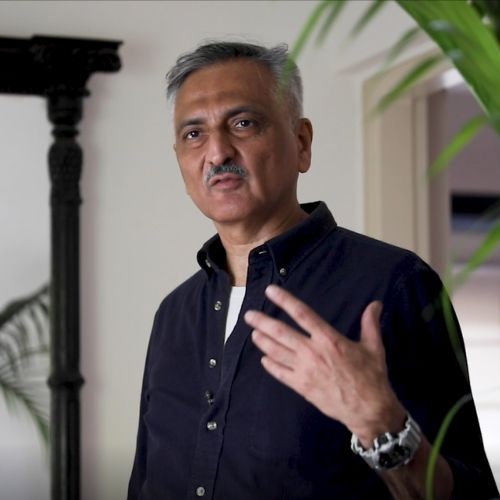
Rakesh Thakoreराकेश ठाकोर
Rakesh Thakore studied at the National Institute of Design, Ahmedabad, and joined Shri Martand Singh as a Design Assistant on the Vishwakarma exhibitions. He is a co-founder of the label Abraham & Thakore, and in 2018 he co-curated A Search in Five Directions at the Crafts Museum, New Delhi, which brought many of the Vishwakarma textiles back into public view. राकेश ठाकोर ने राष्ट्रीय डिज़ाइन संस्थान, अहमदाबाद में अध्ययन किया और विश्वकर्मा प्रदर्शनियों में श्री मार्तंड सिंह के साथ डिज़ाइन सहायक के रूप में काम किया। वे अब्राहम एंड ठाकोर लेबल के सह-संस्थापक हैं, और 2018 में उन्होंने नई दिल्ली के क्राफ्ट्स म्यूज़ियम में अ सर्च इन फ़ाइव डायरेक्शंस का सह-क्यूरेशन किया, जिसने विश्वकर्मा के अनेक वस्त्रों को फिर से जनता के सामने रखा।
More conversations are being prepared and will be added to this page. और बातचीतें तैयार की जा रही हैं और इसी पृष्ठ पर जोड़ी जाएँगी।